
Stepping away from a photography or visual-storytelling studio requires a different approach than exiting a traditional retail or manufacturing business. For creative professionals, the core value of the enterprise is rarely just the physical space or the cash register; it is inextricably linked to the intellectual property, the meticulously organized digital archives, the specialized equipment, and the client relationships built over years of dedicated service. Successfully transitioning this personalized value to a new owner demands careful, strategic exit planning. It involves clearly defining what is being sold, supporting uninterrupted service for ongoing projects, and protecting the long-term integrity of the creative work that forms the bedrock of the studio’s reputation.
Organizing Client Rights and Usage Agreements
One of the more involved areas of any creative studio transition is organizing the web of client rights, image licenses, and usage agreements. Over the lifespan of a successful studio, an owner typically signs many distinct contracts, ranging from consumer portrait releases to negotiated commercial licensing agreements. It is important to inventory these agreements thoroughly before introducing a buyer. A buyer often seeks to understand what they are permitted to do with the existing image archive, such as whether they can use past commercial shoots in their own marketing materials, or if there are embargoes on certain event galleries.
To prepare, the exiting owner should compile a centralized master ledger of all major commercial contracts and delineate standard consumer releases from custom, restricted licenses. This step does not determine the final legal standing, but rather emphasizes an organized inventory. Owners should present a transparent state of affairs and ask qualified advisers to review the specific documents that govern their particular business. Clear documentation allows the buyer’s legal team to evaluate the operational landscape and can help prevent future disputes by clarifying what the buyer may use.
Structuring the Digital and Physical Archives

The archive is often the beating heart of a photography studio’s legacy. Decades of work, spanning hard drives, cloud storage accounts, and physical film negatives, should be organized into a logical, easily navigable system. An undocumented server is difficult for a new owner to leverage, regardless of the artistic quality of the images it contains. Prior to a sale, owners might invest time to standardize folder structures, support consistent metadata tagging across key projects, and verify that remote backups are functional and up-to-date.
Creating a Comprehensive Equipment Handoff List
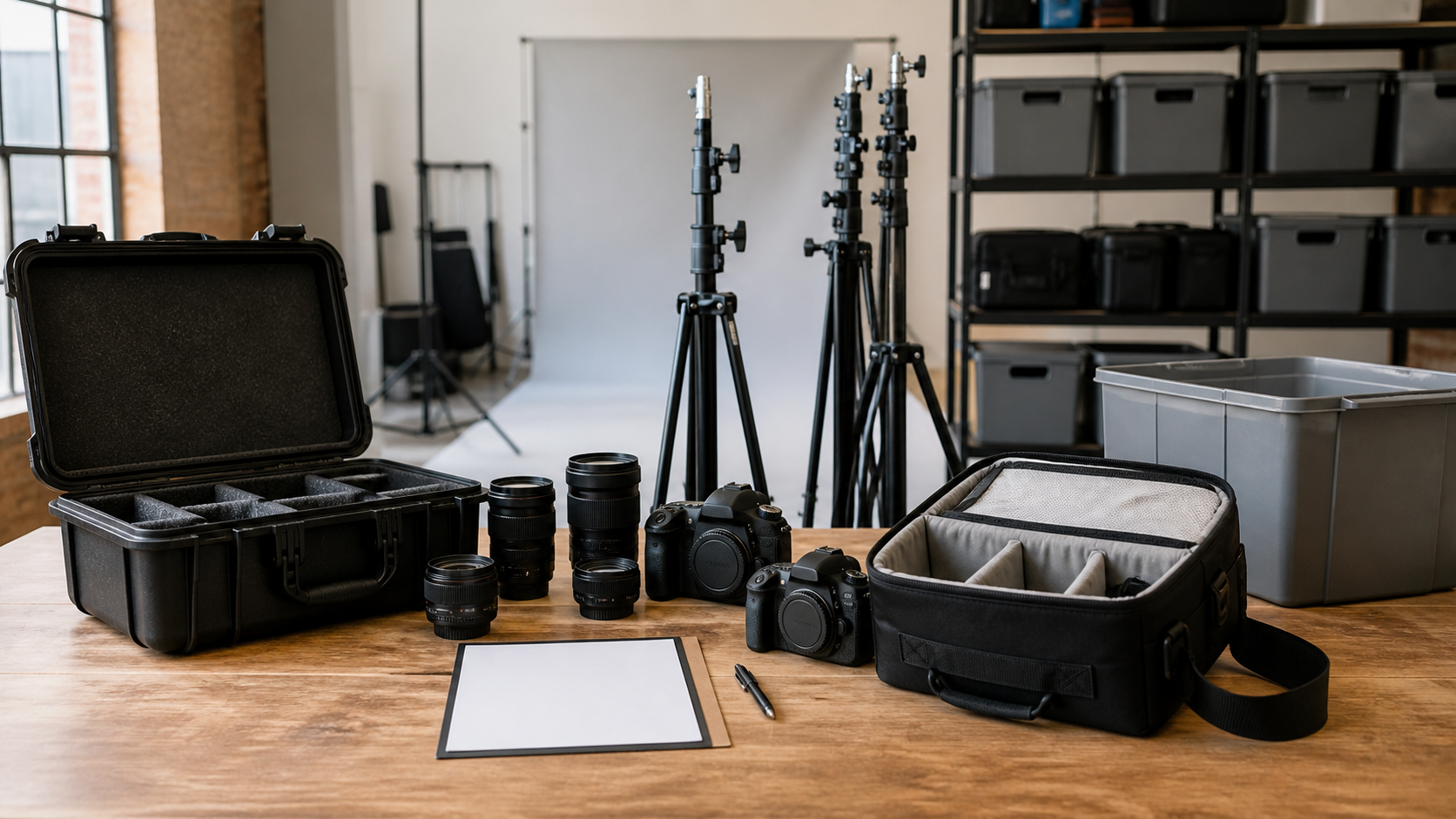
Photography equipment represents a significant capital investment, and buyers will likely review the gear list extensively. A vague list of “various cameras and lenses” is generally insufficient for a smooth transition. Owners should create a detailed equipment handoff list. This inventory should detail each camera body, lens, strobe, continuous light, modifier, grip stand, and computer workstation included in the sale. Each item should ideally be listed with its specific serial number, original purchase date, and an honest assessment of its current physical and operational condition.
Furthermore, owners should explicitly separate personal gear that will not be included in the sale from the studio’s core operational inventory. If the owner intends to keep a favorite vintage rangefinder or a specific preferred portrait lens, this should be made clear early on to avoid misunderstandings during the final walkthrough. Transparency regarding the condition and inclusion of equipment builds trust and streamlines the valuation and negotiation phase.
Ensuring Continuity in Client Communications
In a relationship-driven business like photography, the transition of client communication channels should be handled with care. A sudden change in email responsiveness or tone can affect the studio’s reputation and alienate long-standing clients. Owners can prepare a systematic handoff of the studio’s primary email accounts, phone numbers, and Customer Relationship Management (CRM) software. All existing client notes, ongoing conversations, and historical preferences should be updated and accessible within the CRM.
A structured communication plan is useful. It can be beneficial for the exiting owner and the incoming buyer to draft joint communication templates to announce the transition to key commercial clients and recurring portrait families. This unified front helps show the client base that the studio’s standards are prioritized under the new leadership. Ensuring that the buyer understands the nuances of individual client expectations—such as a specific art director’s preference for raw files or a family’s traditional holiday shoot requirements—can support long-term retention.
Documenting Recurring Work and Ongoing Projects
The predictable revenue generated by recurring work is often attractive to potential buyers. Owners should document all annual or seasonal contracts, such as yearly corporate headshot updates, seasonal school portrait programs, or recurring real estate photography agreements. Providing a clear calendar of these expected revenue events, along with the historical performance of each, offers the buyer a tangible financial baseline.
Similarly, the handling of active, ongoing projects during the transition period should be clearly outlined. If a wedding was booked under the exiting owner but will be shot by the new owner, the parties need to determine how the remaining payments are distributed and who is responsible for the final editing and album delivery. Mapping out the operational responsibilities for projects that straddle the closing date can prevent immediate friction and support a seamless service delivery for the end client.
Geographic Context and Transition Timing
Understanding the broader context of the transition process is beneficial for studio owners who are preparing to step away. The timeline for a successful exit rarely happens overnight; it requires months of diligent preparation. For photography studio owners operating specifically in Indiana, reviewing a state-specific process resource outlining professional help with a business sale can provide a helpful framework for organizing assets and preparing for the market. This regional awareness helps those particular owners understand local steps to take before formally engaging with potential successors or advisory professionals.
Managing the Studio Space and Vendor Relations
The physical studio space, complete with customized shooting bays, dedicated client viewing rooms, and specialized storage, must also be prepared for a handoff. A detailed inventory of essential props, seamless paper backgrounds, and specialized set pieces should be compiled. Additionally, the owner should prepare a complete dossier of vendor relationships. This includes the contact information and specific account details for preferred professional print labs, custom album binders, equipment rental houses, and software subscriptions. Providing the new owner with access to these established supply chains can help the studio continue producing physical deliverables without interruption.
Evaluating the Business Brand and Marketing Channels
The studio’s brand identity and marketing presence are significant components of its overall value. This includes the business name, logo, website domain, social media profiles, and any established advertising campaigns. A clear plan for transferring these assets is a necessary part of the exit strategy. The owner should compile all login credentials, domain registrar information, and social media administrative access codes into a secure file for the buyer.
Furthermore, it is helpful to document the studio’s historical marketing strategies. Providing the buyer with data on which advertising channels have generated the highest return on investment, details of past promotional campaigns, and insights into local SEO performance can give the new owner a distinct advantage. This information allows the buyer to maintain marketing momentum during the transition and build upon the studio’s established market presence.
Handling Studio Staff and Freelance Networks
If the photography studio employs administrative staff, associate photographers, or relies on a network of trusted freelance assistants and retouchers, managing these relationships during a sale is important. The incoming buyer will want to know if key personnel intend to stay with the business and how freelance contractors are typically engaged and compensated.
The exiting owner should provide clear documentation of employee roles, compensation structures, and any existing employment agreements. For freelance networks, compiling a roster of reliable contacts with notes on their specialties and rates can be valuable. Facilitating introductions between the new owner and these key individuals can help ensure that the studio retains the talent necessary to deliver consistent results for its clients.
Conclusion
Exiting a photography studio is a personal and complex process, distinct from a standard retail transaction. By organizing client usage agreements, structuring digital and physical archives, cataloging equipment transparently, and supporting continuity in client communications, an owner can prepare their creative practice for a transition. This level of operational preparation not only protects the exiting owner’s artistic legacy but also allows the incoming buyer to step into the studio ready to build upon a solid foundation. For creative professionals seeking inspiration on capturing stunning imagery, reviewing how to perfect sailing lifestyle shots can provide artistic insight while planning their business exit.

0 Comments